An 18-year banker reads Animal Farm and sees his corporate career reflected back. A raw reflection on power, loyalty, and office politics.
A few weeks ago I finally read Animal Farm. Orwell wrote it in 1945 — 80 years ago — and somehow, page after page, all I could think about was my own 18 years sitting inside corporate banking. It felt less like fiction and more like a mirror.
It doesn’t matter if you have read it or not; I will walk you through the story narrated in the book and show you how it perfectly fits with modern times like never before. The book starts with a vision of well-being and equality for all animals living on the farm who are ruled by their human owner. One of the wisest pigs, called Old Major, unites all the animals for a rebellion to get rid of their human master and take control of the farm.
Before the rebellion takes place, Old Major dies. However, the rebellion is well-executed, and the animals take control of the farm. A new ideology of Animalism is born with the slogan “All animals are equal,” and two wise pigs, Napoleon and Snowball, are selected as leaders to run the affairs of the new establishment.
Now, imagine yourself as part of the farm as your company, where a drastic change has just happened — whether it’s a merger, a shift in senior management, a new role under different leadership, or starting with a brand-new employer. In the beginning, you are enthusiastic and hopeful that the change is for your well-being. Everyone around you seems fully aligned and willing to do their best, making you believe that all the effort you’ve put in to embrace the change will pay off well.
Let me take you back to the farm for a while to know what happened after the rebellion. In the beginning, everything was going fine. The animals were free and happy, and everyone contributed their efforts willingly, which resulted in higher yields because they were following that one single rule: “All animals are equal.” Meanwhile, Napoleon — one of the wise pigs — was hiding his rage for his counterpart, Snowball, who was genuinely concerned about the well-being of all the animals. Snowball proposed the idea of building a windmill to provide electricity to run machines so productivity could increase and animals could perform their tasks efficiently. But on the other side, rage was building. To make matters worse, their former human master was plotting to take the farm back and decided to attack alongside other humans.
Now, the newly built establishment was facing two threats at the same time: one internal and one external. Before the internal rage could do any damage, the farm was attacked. However, all the animals united, made the attackers run away, and ensured they never came back. In this way, they eliminated the external threat. But as we all know, internal threats are far more dangerous than external ones. Are we faced by these same dynamics in the corporate world? In the face of an external threat, our emotion of loyalty for the company overcomes everything else. We unite to eliminate the threat. But afterward, it is the internal threat that gets ignored — and later on, that is exactly what causes the downfall.
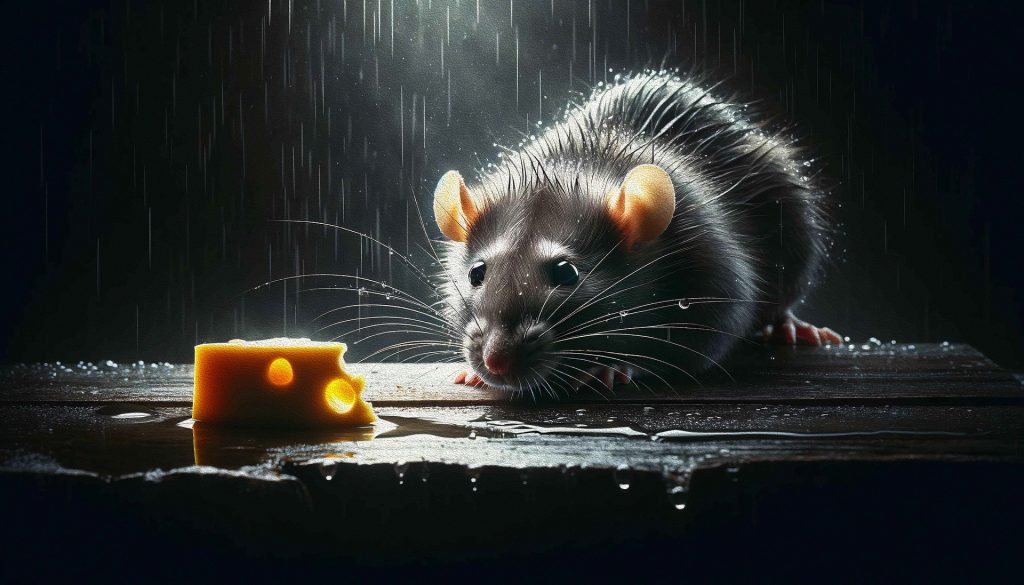
At the farm, there is one extremely hardworking horse named Boxer, who trusts the leadership blindly and, due to his immense strength, volunteers for all the heavy work. He is the one carrying the massive rocks required to build the windmill, and everyone on the farm praises him for his efforts. On the other hand, Napoleon finally lets the cat out of the bag with his malicious schemes to take full control of the farm and shift the balance of power. Days pass, and the windmill is built almost halfway. Then, a powerful storm tears it down to the ground. This is the exact moment Napoleon blames Snowball for the disaster, turning the other animals against him. Seeing his vision ruined and facing Napoleon’s sudden trap, Snowball is driven off the farm, completely disheartened, and never returns.
Napoleon takes full advantage of the situation and decides to build the windmill again from scratch. Having previously stolen Snowball’s designs, he now orders the animals to work even harder with extra hours while providing them with less food, using the excuse that the farm is going through “very challenging times.” He also reveals his pack of furious, trained attack dogs, to create fear and compliance among the other animals. He also employs his loyal servant Squealer to spread reassuring rumors that everything is going in the right direction and Napoleon is very concerned about the well-being of all the animals. Slowly, he starts rewriting the core essence of their rebellion into a new rule: “All animals are equal, but some animals are more equal than others.” Napoleon expands his leadership cabinet and demands more food and human privileges that the animals had previously sworn never to touch. Once firmly in power, the leadership begins sleeping in human beds, consuming alcohol, and eventually walking on two feet instead of four.
Now, close your eyes for a moment and think about whether you can relate to this farm. After every drastic change, everything seems to fit well initially. But soon after challenges arise, only those at the bottom are required and expected to contribute the maximum effort, while those at the top reap all the benefits. Long hours of work without any extra compensation are packaged as “strategic optimization,” and workers are made to believe they are playing an important role — all while the unspoken fear of layoffs hangs over them if productivity drops. They are continuously convinced to align with the new vision. Ultimately, internal office politics at the very top translates directly into misery for those working at the middle or bottom layers of any organization.
Back on the farm, the loyal horse Boxer now works harder than ever and reaches absolute burnout. Meanwhile, Napoleon starts building secret alliances with nearby human farm owners. Yes, humans — the very oppressors they fought initially to escape. This is what happens when power corrupts the elite. In the midst of all this chaos, the other animals begin to believe they were better off before the rebellion. The stand they took to rid themselves of human slavery had simply made them slaves once again — this time, to one of their own.
The same thing happens to us. It feels good in the beginning, and we give our absolute best with the hope that the change will make our lives better and allow us to provide more for our families. But as time passes, we find ourselves trapped in an alley narrower than the one before. The ones in control do whatever it takes to please themselves, making decisions solely in their own favor while using fear to leave us with no choice but to run away.
. . .
So what do you do when you finally see the farm for what it is?
The moment that changed everything for me wasn’t dramatic. Someone I had guided and worked alongside got promoted — not because of their work, but because of who they knew and how well they played the game. That evening something quietly shifted inside me. Not bitterness. Not anger. Just clarity. I realized I had been Boxer — giving everything, trusting completely, waiting for the system to recognize it. So I made a decision. I stopped waiting and started building. I am still in banking, still showing up, still performing — but now I am also building something that is entirely mine. This blog is one part of that. Starting at 43 is not late. It is exactly the right time — because now I know exactly what I am building away from, and more importantly, what I am building toward.
. . .
Let me know in the comments if you have faced a situation like this in your life, and if you agree that this is exactly how it happens.