A personal reflection on The Alchemist by Paulo Coelho — how rereading it in 2026 after a pandemic and career changes revealed the true meaning of Mektoub and destiny.
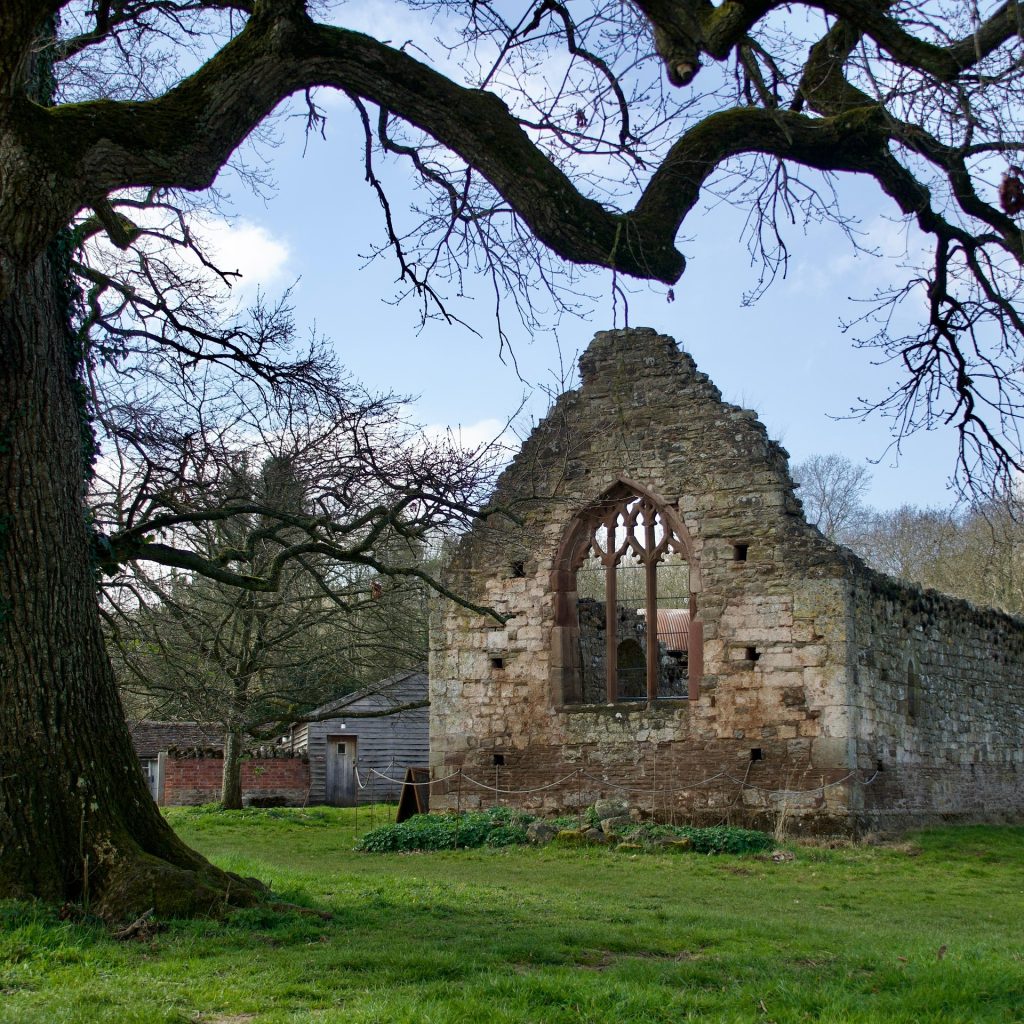
I read The Alchemist by Paulo Coelho on the recommendation of my wife in 2015, although it was originally published in 1988 and translated into English in 1993. I found it to be a very interesting story, especially the way the author started and ended the narrative at the same place: an abandoned church. Recently, while rearranging my books at home, I found my copy and nostalgia took over, so I read it again.
In the last decade, the world has witnessed unprecedented events like the pandemic, and so have I. If I look back at myself in 2015 and compare it to now, in 2026, I have switched three jobs, had the chance to work in a totally different industry (real estate) for three years, and ultimately moved back to my core profession: banking. Why am I mentioning my story here? Because after reading The Alchemist for the second time, it hit me differently. The last ten years ran like a fast-forward movie in my mind, revealing the true meaning of destiny.
If I may, I ask you to close your eyes just for a moment and ask yourself: “Is this where I was supposed to be?” If your answer is yes, then congratulations — you will find the following lines highly relatable to your journey so far. And if your answer is no, then I am sure this will help you move forward.
Life behaves like a wavelength; sometimes it is up and sometimes it is down, and we have to align ourselves accordingly through our choices. This is what The Alchemist is all about — the choices we make shape our lives. But at the same time, the author believes that everything happening in our lives now, and whatever will happen in the future, is already written. He calls this Mektoub in the book, which means our journey is already mapped out; we are just playing it out in this world.
Have you ever wondered whether the choices we make are really ours, or if they are already scripted? For example, imagine you want to buy a specific t-shirt in black because you are a loyal fan of the brand, you like the design, or perhaps that particular piece of clothing is trending. However, it is only available in either blue or white. Would you choose to wait until it is available in black, pick the blue one, or decide to take the white? (Let me know in the comments if you have ever been in this situation. What was it like?)
The book is about making choices that ultimately helped Santiago (the main character) reach his destiny after a long journey of losing everything he had in the beginning, hitting rock bottom, learning a new skill, finding the love of his life, and, in the midst of it all, moving forward toward his destined goal. If you have read the book, you might have some idea of this; if you have not, that is fine — you can read it whenever you feel like it. Here, I will portray this picture in a contemporary scenario, resonating with our own lives.
No matter what stage of life you are in, your age group, your profession, race, gender, or the country you are from, we make a lot of decisions based on our preferences among available choices, picking what we think is most suitable for us at that particular moment. But the book suggests that it is already written what we will pick and how it will drive the course of our lives, merely making us believe that we are in control. That is why the famous line from the book, “When you want something, all the universe conspires in helping you to achieve it,” can sound doubtful.
The book glorifies the hardships of the journey and the resilience of Santiago — his intense dedication to chasing his dreams and finding the treasure at the end of his travels, while the entire time, it was lying under the sycamore tree where it all began. But if we view it from a different perspective, the options we encounter in life to make choices — which are already written in Mektoub — are necessary to keep our lives on track.
Free will is a delusion. No matter whether you turn left or right, at the end of the day, we all find our destiny in one form or another, and it is up to us how we react to it. We can either accept the fact that it is a dead end, like Santiago felt when he lost everything, or get up again and take a different route.
Santiago chose the latter when he went to work with the crystal merchant and learned a new skill. That experience not only provided Santiago with a bridge to move forward on his journey, but it also helped the crystal merchant save his dying business through the idea of making crystal cups to serve tea. Because that idea was totally new, it was the crystal merchant’s destiny that Santiago would come to him one day so this miracle could happen.
Likewise, Fatima and Santiago were destined to meet. While Santiago was the one who reached the oasis after crossing the deadly desert, can’t we consider this as Fatima’s destiny as well? As mentioned in the book, the universe where we breathe the same air is entirely connected. It is like the saying, “someone’s trash is another person’s treasure” — it is all about perspective and how we react to the things we are being offered. Moreover, as I have already mentioned, by the end of the day, everyone reaches their destiny.
Back in 2015, I had been working in one of the top banks for eleven years, but the real estate business had always fascinated me. In early 2019, I felt it was the right time to transition into real estate. Because of my past experience as a hardcore banker — where I learned discipline, risk assessment, and, most importantly, how to deal with high-end customers — I had an edge in this new endeavor. Once I learned the dynamics of the real estate industry, I stayed there for three years as a highly valued employee.
Then, the unexpected pandemic shook the whole world. Being in real estate, which requires about 95% of the work to be outdoors meeting clients and touring different listings, business suddenly went down. By the end of 2022, when things started to normalize and I had learned a completely new skill set, I planned to return to banking. My past experience in real estate actually helped me land a job at one of the leading banks, but this time in the mortgage department — whereas at my previous bank, I was managing up selling and customer care.
Now, if I view myself as Santiago, I am aware that the world does not revolve around me. However, keeping the passion alive to work in the real estate industry while gaining impactful experience in my first bank helped me live my passion for at least three years. This, in turn, gave me a chance to go back to my roots, but at a different, highly rewarding spot.
Remember when I asked you to close your eyes and ask yourself a question in the beginning? If you have read this far, believe me, we all are Santiago. We all have dreams and passions, but we often lack the courage to pursue them because of fear. We are surrounded by certain uncertainties, and socioeconomic factors force us to be part of the herd. If we want the universe to conspire for what we really want to achieve, then first we have to believe in ourselves. It does not matter if we pass or fail; by the end of the day, the effort keeps us moving. Only those who make an effort and make mistakes truly learn. If we are not making mistakes, we are nothing more than bone and flesh.