A banker’s take on Who Moved My Cheese — why this corporate fable feels like a management tool rather than genuine life advice.
The Rule of the Maze
Life comes with certain uncertainties where change is inevitable, and those who are reluctant, time will change them. This is what I learned after reading Who Moved My Cheese? by Spencer Johnson. Going through it kept me recalling all the past experiences I had, and realizing that even though this book was published in 1998, it is still so relatable in 2026 to all blue or white collar workers.
The View from the Floor
I am one of them—someone who relies on hard work and always showing up to ensure job security, a paycheck, and providing for my family. After completing the book, I did some digging about people’s opinions on it. To my expectation, the one human character, Haw, was appreciated by almost everyone due to his resilience and adaptation to change.
The rest of the three characters were not appraised as much because they followed an ordinary path, which is fine in desperate times. But the question here is to challenge the forces behind the change that are disrupting the whole system. I am not against resilience, but I doubt the system.
Instinct vs. Intellect
In this book, the author describes the story of two groups. One group comprises two mice, Sniff and Scurry, and the other group has two human characters (Littlepeople, as they are called in the book), Hem and Haw, who were both destined to find the cheese in the underground maze using different approaches.
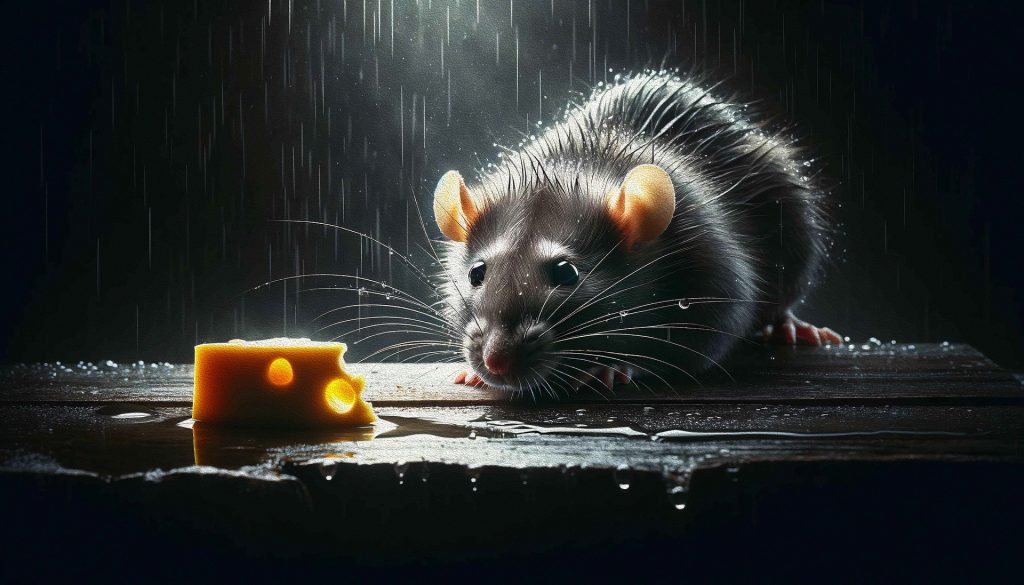
- The mice, being mice, used their biological strength of smell as an advantage. Being animals, they were less likely to fear change and were adaptive to environmental changes as well. Running through the maze all day and finding small pieces of cheese gave them a purpose and a way to survive.
- The two human characters approached finding the cheese with more mindfulness. But being human, they had their fears of change and were more likely to get satisfied with a little bounty and comfort.
The Comfort Trap
The story gets interesting when the human characters one day find a big load of cheese in the maze and mark the place, whereas the mouse characters keep relying on their instinctual nature to find new cheese every day. Sometimes all four would sit together, and the human characters would share some of their cheese with the mice, feeling very proud. But what was coming next was totally unexpected.
Days passed, and the human characters reached the cheese spot, enjoying it all day without any extra effort before heading home. Meanwhile, the mouse characters followed their path of finding fresh pieces every day.
When the Cheese Vanishes
Then, the disastrous moment arrives. One fine day, the human characters reach the spot and are shocked to see that all the cheese is gone—like it vanished. This was the defining moment that showcased the two mindsets of human nature.
When the mice learned about it, they didn’t care much because they were already on their destined path to find new cheese every day without questioning. They were just following their way to survival without any ambitions, just being animals.
On the other hand, the human characters started thinking and asking questions:
- Who has moved our cheese?
- What had happened?
- Did the mice steal it?
Several other logical questions flooded their panicked minds. All that was left to welcome them every day were crumbs and little pieces.
Blame, Fear, and Fractured Bonds
Days passed, questions became arguments, and they started blaming each other. Hem acted optimistic about the fact that since the cheese vanished suddenly, it would surely come back. Haw was beginning to realize that Hem should let go of the old cheese and start finding a new one, but Hem was reluctant.
After a few days, when the remaining pieces of cheese were eaten by both human characters, coming back to the empty cheese spot and wishing for a dream to come true lost its attraction for Haw. He started convincing Hem more logically that now was the time to go down into the maze and find new cheese like the old days, but Hem was still reluctant.
Haw also mentioned to Hem that they had undoubtedly lost their old cheese, which was already starting to rot. However, the luxury of comfort and effortlessness had taken control of Hem’s mind, and he was not willing to accept the fact that an unfair deed had been done. While Haw, being his friend and companion, really wanted to convince and help him on a new expedition, a few more days passed.
Finally, hunger took over all other emotions and their companionship, and Haw decided to go out into the maze alone to survive.
Running on Trauma
But because he had been comfortable for so many days, fear loomed over Haw. He was no longer as confident in his human abilities—the same abilities that used to give him leverage in the past when he thought logically—because the trauma had hit him hard. Hunger and frustration forced him to take desperate steps just to survive and to be grateful for whatever the maze had to offer against his efforts.
Finally the day came, and Haw decided to say farewell to his friend and go down into the maze. Initially he had his fears, but as he went deeper and found a few small pieces of new and different cheese, he thought he had cracked it. Now, every day he runs through the maze to find something to save the day, thinking the effort is worthwhile because he is not only surviving, but also getting a chance to have a new type of cheese now and then—not realizing the fact that he is again trapped in the same loop designed for him.
Today in 2026, automation is an excuse for layoffs, structural changes complement downsizing and budgets are squeezed in the name of outsourcing, blue-collar workers are more vulnerable than ever. Not because they have a fear of losing jobs but due to the uncertainty of getting a new one. They have the skills but the time it takes to start a new gig is devastatingly long and when there are bellies to feed and bills to be paid, hunger and frustration overcomes all other emotions of belongingness.
On the contrary the ongoing war situation which is affecting lives of millions of people in not only those countries who are fighting with each other but also the lives of those who have nothing to do about it but still due to the scarcity of resources mainly oil and gas has forced prices of essential goods to rise.
Economies are falling apart but demand for resilience from workers keeps increasing and surviving a job has become more important than performing well. Now with all these social and economic pressures, workers are expected to be resilient and accept what they are being offered and be grateful.
The Question That Remains
Resilience should not be taken for granted. It has to favor both sides. The decisions of a few should not affect the lives of many.
The book never answered who moved the cheese. With my experience of 18 years in the corporate world, I believe that cheese was always there and was never there. Cheese is moved by the people in power to continue the never ending struggle of people trapped in the maze to keep the show running, and those who are struggling feel that they have escaped the trap but in reality they are trapped in another one.
Therefore, for permanent escape, one must build something of their own, like I am writing this blog at the age of 43 after working for years and building something of my own.
Thanks for reading till the end. Please let me know in the comments if you have ever in your life felt trapped or helped someone to get out of the loop.